

Black Maternal Health
at Home and Abroad
An urgent conversation with three of the nation's leading experts in obstetrics, maternal-fetal medicine, and global health equity.
Watch the Replay → Free to watch · No registration requiredAbout this event
A conversation that needed to happen
Black women in the United States are three times more likely to die from pregnancy-related causes than white women — a disparity that persists regardless of income, education, or access to care. Globally, the picture is even more alarming.
This webinar brought together three of the nation's foremost leaders in obstetrics, maternal-fetal medicine, and global health policy for an honest, evidence-based conversation about why these disparities exist, what the data tells us, and what must change.
The replay is now available. Whether you are a healthcare professional, community advocate, concerned parent, or simply someone who believes every mother's life matters — this conversation is for you.
What you will learn
- How maternal mortality is defined and measured — and why the numbers may be worse than reported
- Why Black women die at disproportionate rates, and the systemic factors driving that gap
- How the United States compares to other Western nations and what we can learn from them
- What is happening in developing nations and how global interventions are making a difference
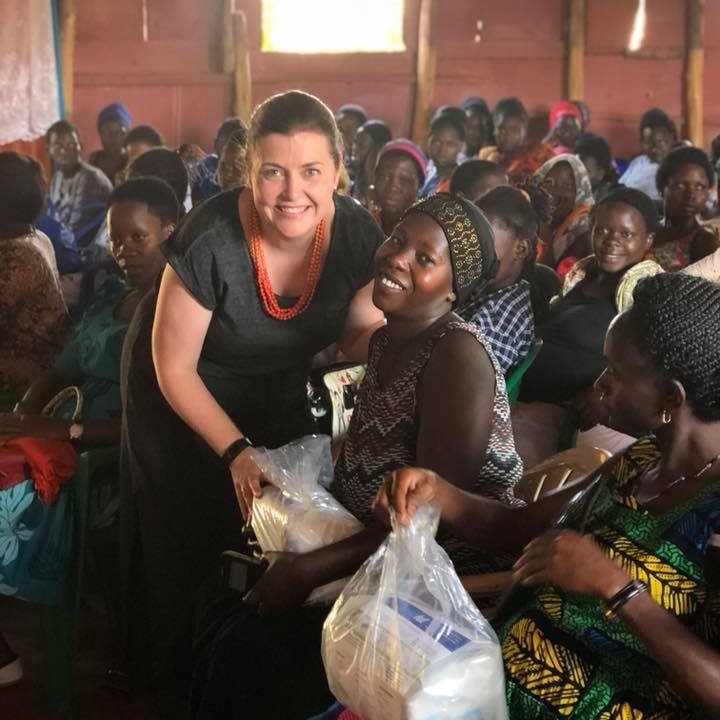
- How you can take action — including supporting Mama Kits through Mercy for Mamas, delivering life-saving birthing supplies to mothers in need
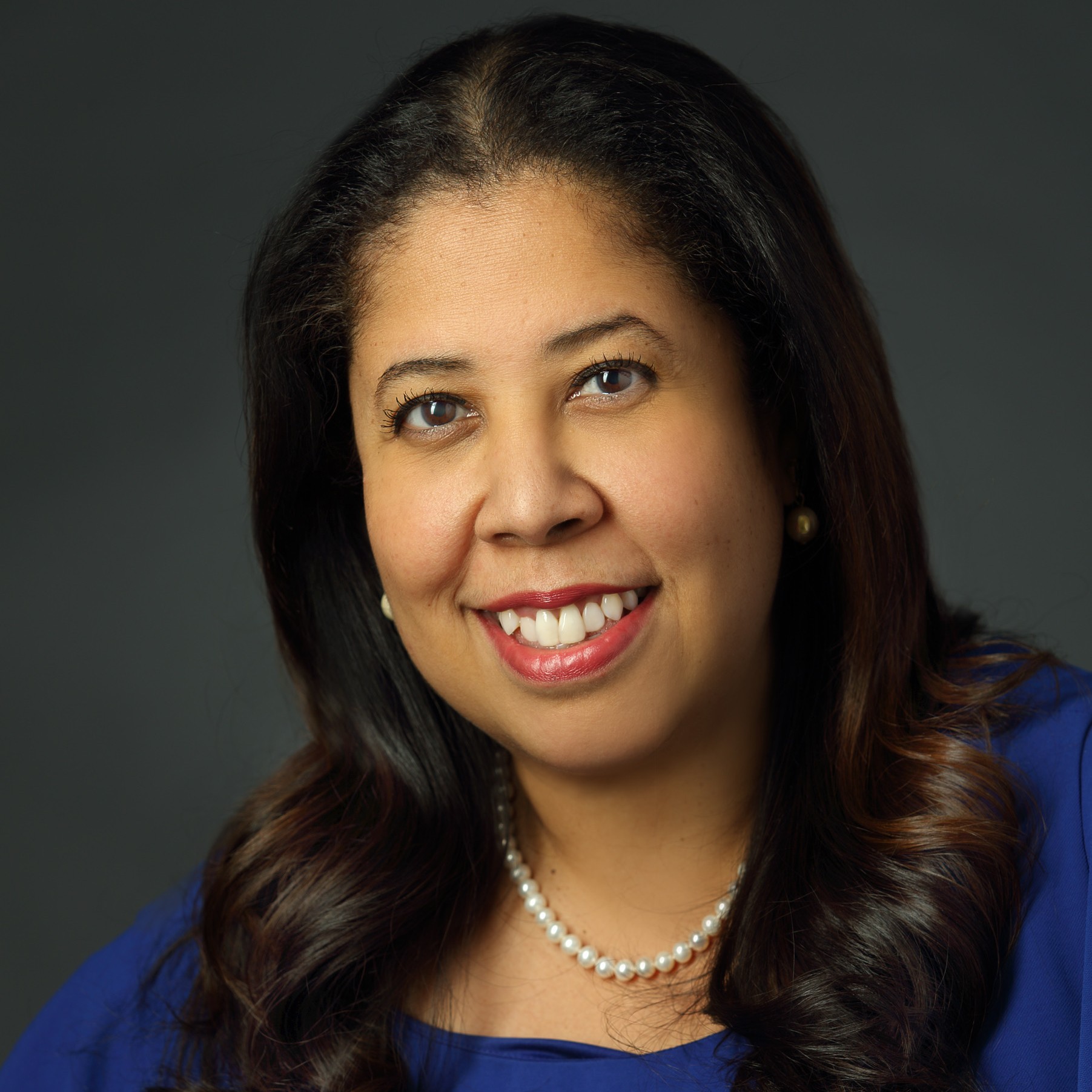
Featured panelists
Three leaders. One urgent mission.
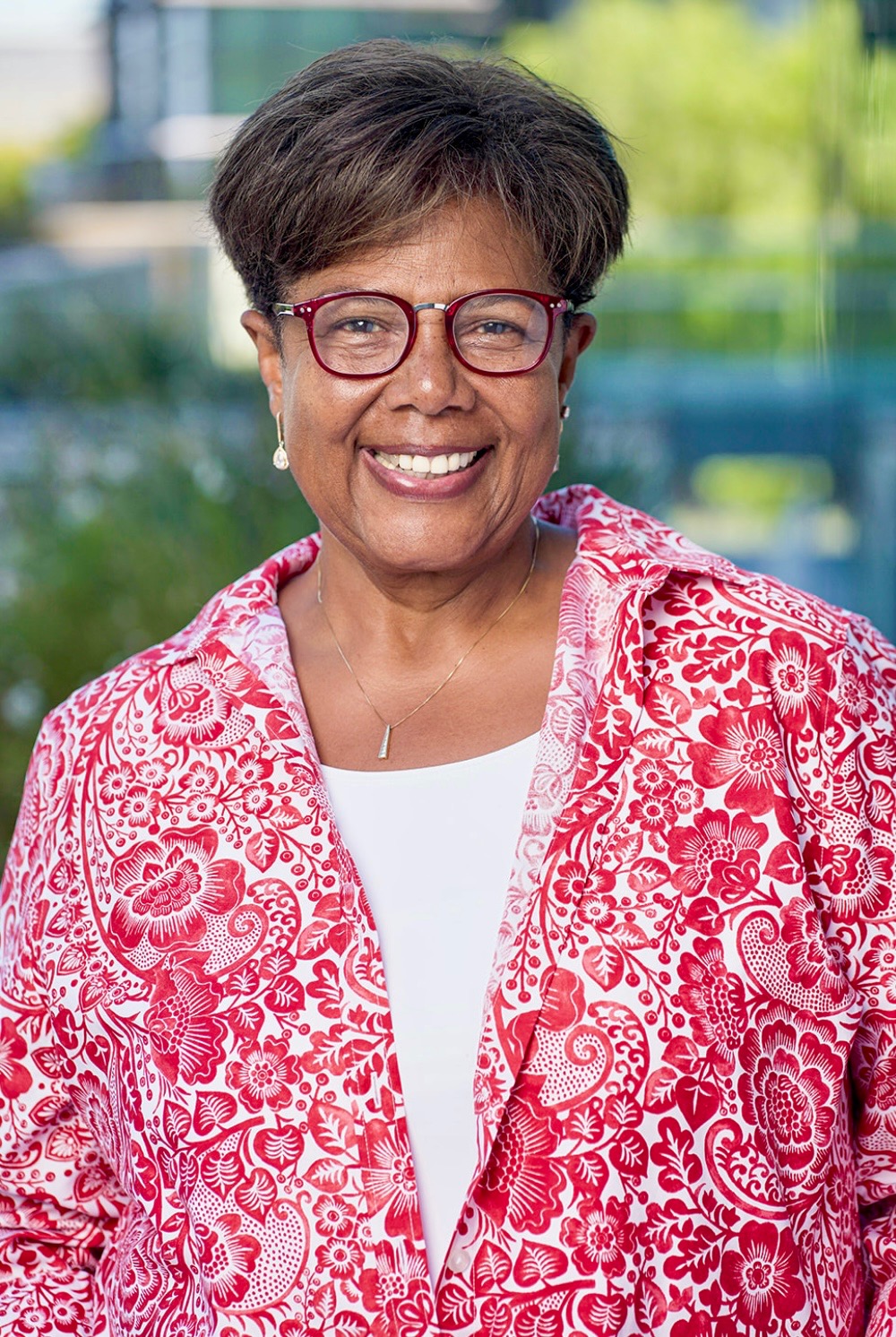
President, Association of Professors of Gynecology and Obstetrics (APGO)
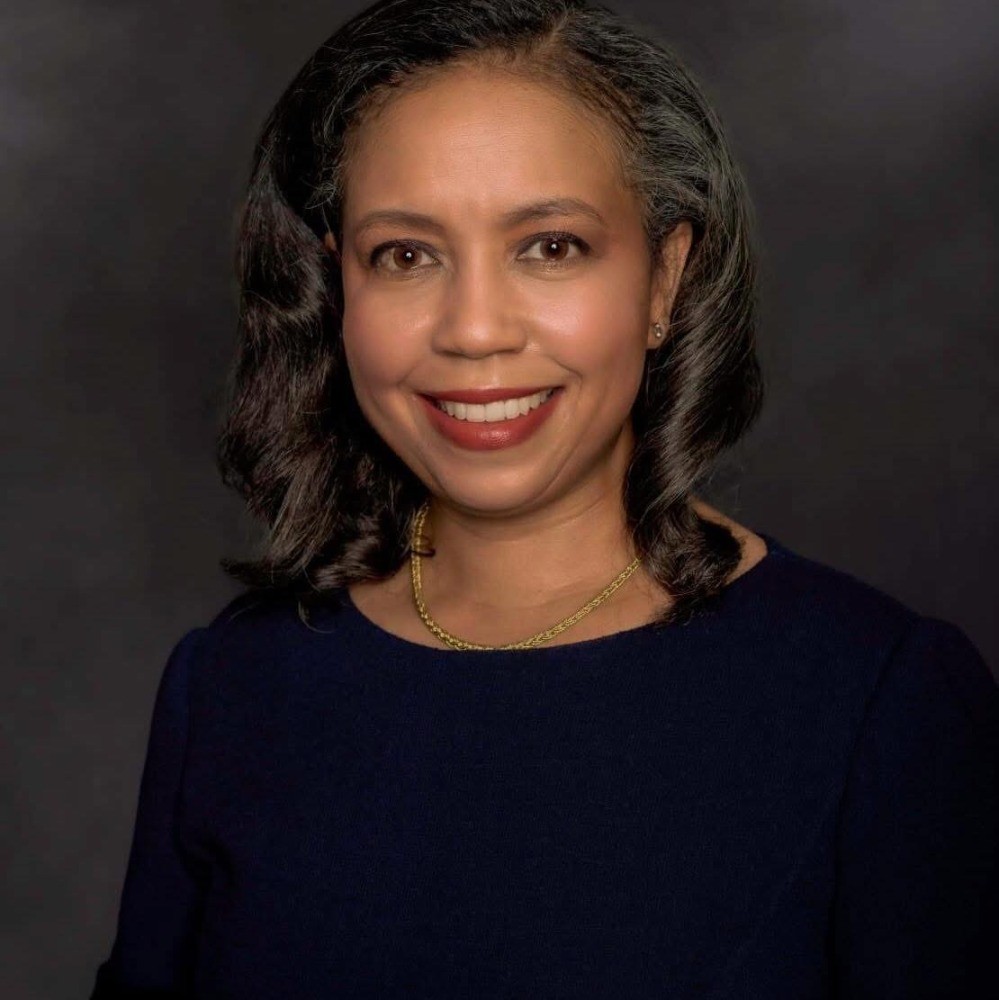
Professor, Georgetown University School of Medicine
Chair, ACOG Foundation Board
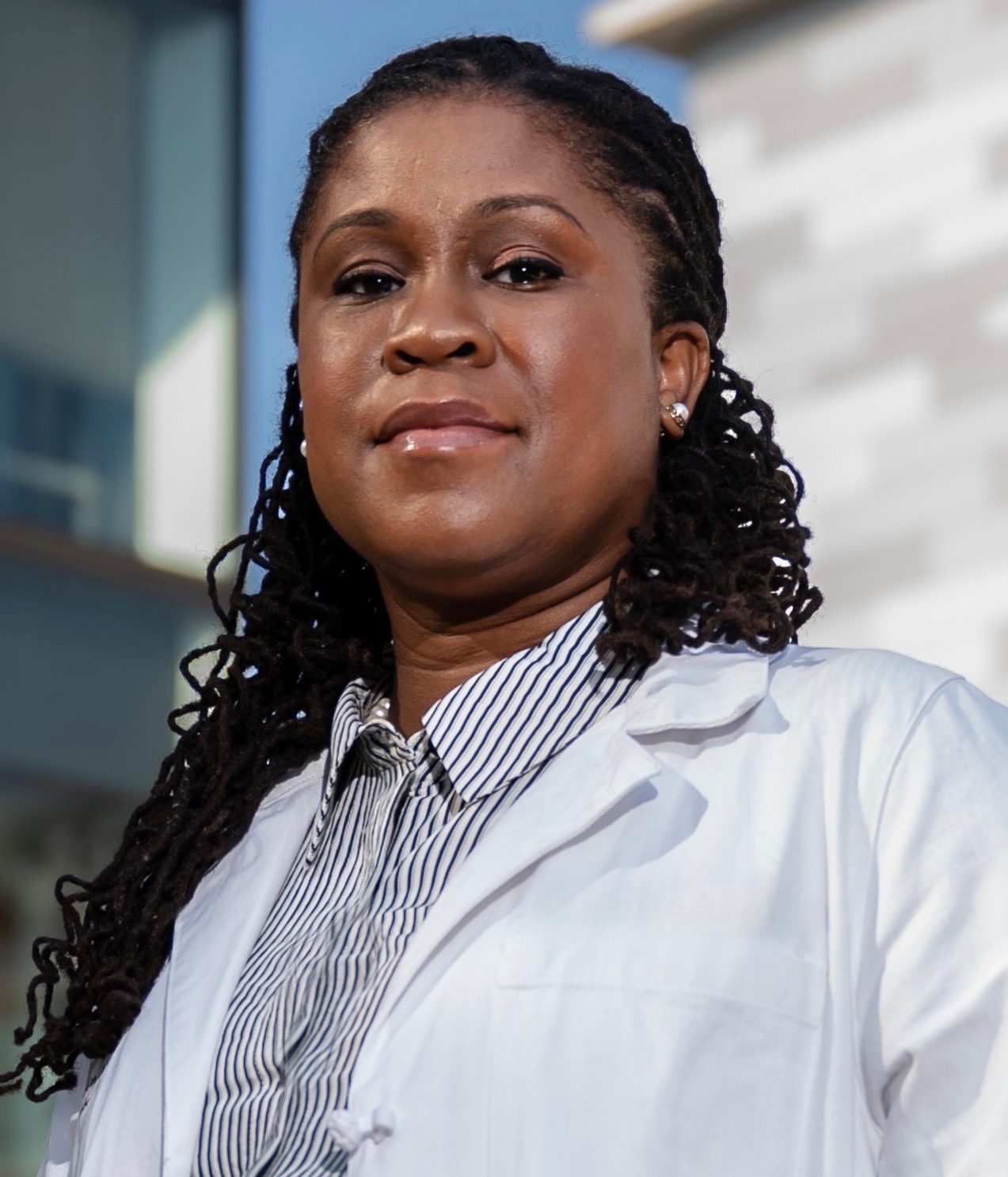
Associate Professor, Dell Medical School Department of Women's Health
Dr. Afriyie-Gray is a subspecialty-trained pediatric and adolescent gynecologist practicing at the clinical partnership between Dell Children's Medical Center and UT Health Austin. She completed her residency in obstetrics and gynecology at Georgetown University Medical Center and subspecialty training at MedStar Washington Hospital Center and Children's National Medical Center. A nationally recognized educator and researcher, Dr. Afriyie-Gray has presented at the Association of Professors of Obstetrics and Gynecology, the National Medical Association, and the North American Society for Pediatric and Adolescent Gynecology, and is a recipient of multiple distinguished patient care awards, including the Distinguished African American Physician honor at the Harlem Fine Arts Show.
What to expect
An hour that could change how you see this crisis
This one-hour panel moves from the local to the global — grounding you in the data, the disparities, and the real-world solutions that are saving lives.
Take action
Support Mama Kits
The Lone Star (TX) Chapter supports the Mama Kits program through Mercy for Mamas — a maternal health initiative that delivers essential birthing supply kits to mothers in developing nations who would otherwise deliver without basic medical resources.
A single kit can mean the difference between life and death for a mother and her baby. In the replay, you will hear directly from our panelists about the global crisis that makes programs like Mama Kits so essential.
We invite you to watch — and to give.
Donate to Mama Kits →Your donation is tax-deductible through the Lone Star (TX) Chapter of The Links, Incorporated.
Watch the replay — it's free
The full one-hour panel is now available on demand.
Watch the Replay →Questions? Contact us at info@lonestarlinksinc.org · lonestarlinksinc.org